Karen Blixen Net Worth: Wealth, Losses, and the Legacy She Left
When people search for Karen Blixen net worth, they are usually looking for a clear figure that explains how wealthy she was. The reality is far more complex. Karen Blixen—also known by her pen name Isak Dinesen—did not live the kind of life that fits neatly into modern ideas of celebrity wealth. Her financial story is defined by contrast: a privileged upbringing, a costly and ultimately unsuccessful venture in Africa, and a late-blooming literary career whose true value was realized mostly after her death.
Understanding her net worth requires stepping back into historical context, where wealth, income, and cultural influence operated very differently from today.
Who Was Karen Blixen?
Karen Blixen was a Danish author best known for her memoir Out of Africa, first published in 1937. Writing primarily in English under the name Isak Dinesen, she became internationally respected for her distinctive voice, reflective storytelling, and ability to turn personal experience into literary art.
She is remembered not only as a writer but also as a cultural figure whose life bridged Europe and Africa, privilege and hardship, independence and reliance on family support. This duality is at the heart of why her financial life is so often misunderstood.
Karen Blixen’s Family Background and Early Wealth
Karen Blixen was born into a well-established Danish family and grew up at Rungstedlund, a country estate north of Copenhagen. The property was purchased by her father in the late 19th century and became the anchor of her family life.
This background gave Blixen a level of financial security early on. She did not grow up worrying about survival or basic needs, and she benefited from the social and economic safety net of a prominent family. However, much of this wealth was tied to land and family structures rather than personal cash or independent income. It was security, not liquidity.
This distinction becomes important later, when her personal ambitions required far more capital than her own resources could easily support.
Life in Africa and Financial Decline
The most dramatic turning point in Karen Blixen’s financial life came with her move to British East Africa (modern-day Kenya). After marrying Baron Bror Blixen-Finecke, she became involved in running a large farm that eventually focused on coffee production.
The venture was ambitious and expensive. Significant funds—largely provided by her family—were invested in establishing and maintaining the farm. While the idea carried promise, the reality proved harsh. Poor soil conditions, fluctuating coffee prices, droughts, and management challenges made profitability elusive.
After her marriage ended, Blixen was left managing a struggling enterprise largely on her own. By 1931, the financial strain became unsustainable, and she was forced to leave Africa and return to Denmark. The farm was sold, and much of the capital invested was never recovered.
This period marks the largest financial loss of her life and permanently altered her economic situation.
Karen Blixen’s Net Worth During Her Lifetime
There is no precise figure for Karen Blixen’s net worth at any point in her life, and that absence is meaningful. Unlike modern public figures, she did not earn income through predictable salaries, royalties tracked in real time, or publicly disclosed contracts.
Instead, her financial life moved through phases. Early adulthood was marked by relative comfort due to family support. The Africa years were financially draining and left her with little independent wealth. Later, writing provided income, but not the kind that produced great personal riches.
If her life were plotted financially, it would look less like a steady upward curve and more like a sharp rise followed by a long plateau shaped by careful management and modest means.
Income From Writing and Publishing
Karen Blixen’s literary career began in earnest after her return to Denmark. Out of Africa brought her international recognition, followed by works such as Seven Gothic Tales. These books earned her respect, readership, and income—but not wealth on the scale people often assume today.
Publishing economics in the early 20th century were far less favorable to authors than they are now, especially for women. Advances were limited, royalty structures varied by country, and income often arrived slowly. Blixen lived comfortably enough to continue writing, but she did not accumulate large personal savings from her books.
Notably, later in life she chose to donate much of her royalty income to help preserve Rungstedlund, her childhood home. This decision further reduced her personal net worth while ensuring her long-term legacy.
Later Years: Financial Stability Without Excess
After returning from Africa, Blixen spent most of her remaining life at Rungstedlund. The estate provided stability, but it also required maintenance and support. Her lifestyle was modest, especially compared to the romanticized image many associate with her earlier years.
Health issues further limited her capacity to travel or expand her career in ways that might have increased income. While she remained a celebrated writer and public figure, her day-to-day life was not one of luxury or financial abundance.
Instead, her later years were defined by careful budgeting, family assistance, and a focus on intellectual and creative work rather than financial accumulation.
Karen Blixen’s Estate and Net Worth at Death
Karen Blixen died in 1962. By that time, much of what could be considered her “wealth” had already been transferred into preservation efforts. The Rungstedlund Foundation, established with family involvement and supported by her donated royalties, was designed to protect the estate and her literary heritage.
As a result, her personal net worth at death was modest. She did not leave behind vast sums of money, multiple properties, or a financial empire. What she left instead was a carefully preserved home and a body of work that would continue to grow in value after her passing.
Posthumous Earnings and Cultural Value
Ironically, Karen Blixen’s work became most commercially valuable after her death. The 1985 film adaptation of Out of Africa, starring Meryl Streep and Robert Redford, brought her story to a global audience and significantly increased interest in her writing.
Book sales, translations, academic study, and cultural tourism related to her life all expanded in the decades following her death. While these developments did not enrich Blixen personally, they greatly enhanced the long-term value of her legacy and estate.
This gap between lifetime income and posthumous value is a major reason why her net worth is so difficult to summarize in modern terms.
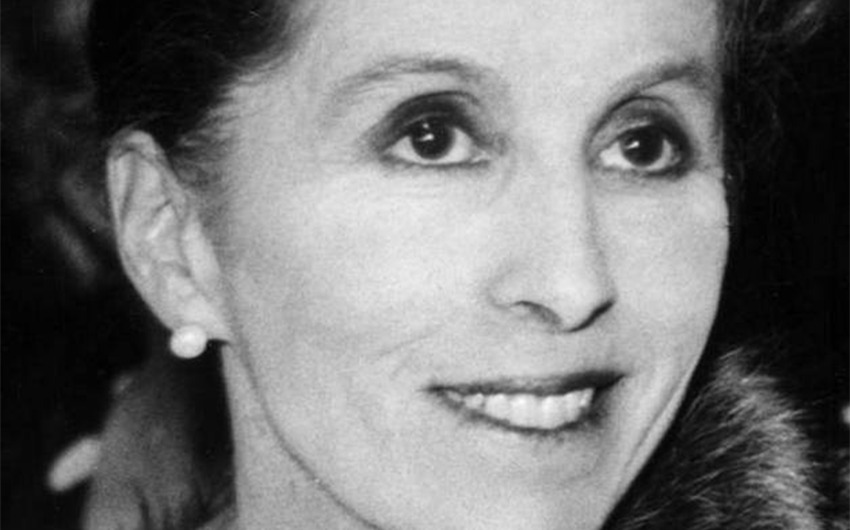
Featured Image Source: imdb.com