Dizzy Dean Net Worth: Wealth, Earnings, and Legacy of a Baseball Icon
If you’re searching for Dizzy Dean’s net worth, you’re likely hoping to find a clear dollar figure attached to one of baseball’s most colorful legends. The reality is more nuanced. Dizzy Dean, born Jay Hanna Dean, played during an era when professional athletes earned a fraction of what they do today, and when “net worth” was not something carefully documented or publicly discussed. His financial story is less about a final number and more about how he earned, spent, and extended his value across two very different careers: as a star pitcher and as a nationally known broadcaster.
Who Was Dizzy Dean?
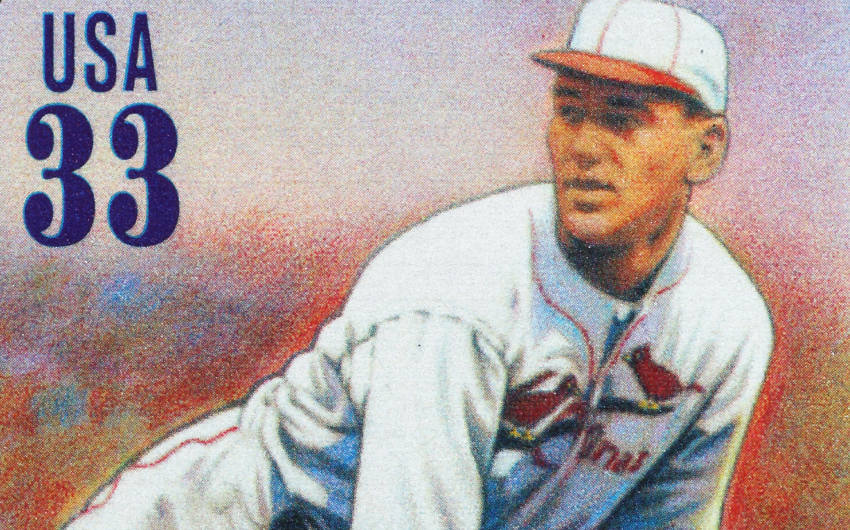
Dizzy Dean was one of Major League Baseball’s most famous personalities of the 1930s. He rose to stardom with the St. Louis Cardinals as part of the legendary “Gashouse Gang,” a team known for its gritty, outspoken, and often controversial style of play. Dean was the ace of that staff, winning the National League MVP in 1934 and leading the Cardinals to a World Series championship.
Beyond statistics, Dean was memorable for his confidence and flair. He predicted victories, challenged opponents verbally, and embraced the spotlight in a way few players of his era did. His on-field success and off-field personality made him one of the most recognizable athletes of his time, which directly influenced his earning potential.
Dizzy Dean’s Baseball Career and Earnings
To understand Dizzy Dean’s earnings, it’s essential to understand baseball’s financial landscape in the 1930s. The average Major League salary during that period was only a few thousand dollars per year. Even star players earned what would be considered modest wages by modern standards.
Dizzy Dean, however, was not an average player. During his peak years, he was one of the biggest draws in baseball, and his salary reflected that status. Contemporary reports show that he negotiated aggressively with team owners and earned far more than the league average. In the mid-1930s, his annual salary reportedly reached the high teens or low twenty-thousands—a remarkable figure at the time.
Another revealing measure of his value was not his paycheck, but his contract. In 1938, after injuries had already begun to affect his performance, the Chicago Cubs purchased his contract from the Cardinals for $185,000. That sum was enormous for the era and remains one of the most expensive contract transactions in early baseball history. While that money did not go directly into Dean’s pocket, it shows how valuable his name and reputation still were.
Dizzy Dean’s Net Worth Overview
So what was Dizzy Dean’s net worth? There is no definitive answer. No surviving records provide a full accounting of his assets, savings, or investments. Any modern estimate is necessarily speculative.
What can be said with confidence is that Dean earned exceptionally well compared with his peers during his playing prime. More importantly, unlike many players of his generation, he did not rely solely on his athletic career for income. When injuries shortened his time as an elite pitcher, he successfully transitioned into broadcasting, allowing him to continue earning for decades.
His net worth, therefore, should be viewed as the cumulative result of sustained earning power rather than a single lump-sum fortune.
Transition to Broadcasting
Dizzy Dean’s second career was arguably as influential as his first. After arm injuries ended his effectiveness as a pitcher, he moved into radio and television broadcasting. This transition proved crucial to his long-term financial stability.
Dean’s broadcasting style was unconventional, entertaining, and sometimes controversial. He was famous for his folksy language, colorful expressions, and willingness to ignore traditional grammar rules. Rather than hurting his appeal, this authenticity made him a fan favorite.
He went on to work for major networks, calling games for national audiences and becoming one of the most recognizable voices in baseball broadcasting. This work provided steady income at a time when many former players struggled to find reliable post-career employment.
Endorsements and Public Appearances
While endorsements in Dean’s era were not structured like modern sponsorship deals, his popularity still translated into commercial opportunities. As television grew in the 1950s, advertisers recognized the value of pairing their products with familiar sports personalities.
Dean became closely associated with sponsored broadcasts, particularly beer advertising tied to televised games. These arrangements blended broadcasting, promotion, and personal branding, allowing him to earn additional income beyond his announcer’s salary.
He also made public appearances, speeches, and promotional visits, further supplementing his earnings and keeping his public profile high.
Lifestyle and Spending Habits
Compared to modern professional athletes, Dizzy Dean lived in a far more restrained financial environment. Even top players of his era rarely accumulated generational wealth, and injuries could end careers abruptly.
Dean enjoyed the rewards of fame, but his lifestyle reflected the realities of mid-20th-century America rather than modern sports celebrity. His income depended on continued work and public interest, not on massive contracts or long-term endorsement portfolios.
That dependence on ongoing employment helps explain why his broadcasting career was so important financially. It allowed him to remain economically active long after his playing days ended.
Legacy and Impact on Baseball
Dizzy Dean’s legacy extends far beyond money. He was inducted into the National Baseball Hall of Fame in 1953, a recognition of both his dominance during a short peak and his lasting impact on the sport.
He also helped shape the role of the former athlete as a broadcaster. Dean showed that personality could be just as valuable as statistics, paving the way for future generations of player-turned-announcers.
Because his earning power was always tied to his visibility and influence, his financial story cannot be separated from his cultural legacy. He remained relevant, recognizable, and employable in baseball for decades.